


How does stress affect the body over time?
Understanding Cancer: How Stress Affects the Body is a beginner-friendly online course that explores stress physiology and the human stress response. You’ll examine why the body responds to stress, how individual experiences and perceptions shape that response, and how researchers measure stress across the life course.
What is chronic stress? It is a stress response that remains active over time. You’ll examine the long-term effects of chronic stress and the potential health consequences of chronic stress, including research into tumor progression and the cancer microenvironment. Can stress cause cancer? This course does not present stress as a direct cause of cancer. Instead, it examines evidence about how chronic stress may influence cancer-related processes. You’ll also explore weathering, social determinants of health and how where people live can contribute to differences in health outcomes.
Who is the Understanding Cancer: How Stress Affects the Body course for?
- People affected by cancer, survivors and caregivers who want accessible information about research on chronic stress and cancer
- Healthcare professionals and students interested in stress physiology, health disparities and social determinants of health
- Lifelong learners who want to understand acute and chronic stress and how stress may affect health across the life course
What will you learn about chronic stress and health?
- Explain the physiology and evolutionary purpose of the human stress response
- Distinguish acute stress from chronic stress and describe how experiences and perceptions can shape the response
- Examine how chronic stress, weathering and social conditions may contribute to differences in health
Preview the Understanding Cancer: How Stress Affects the Body learning experience
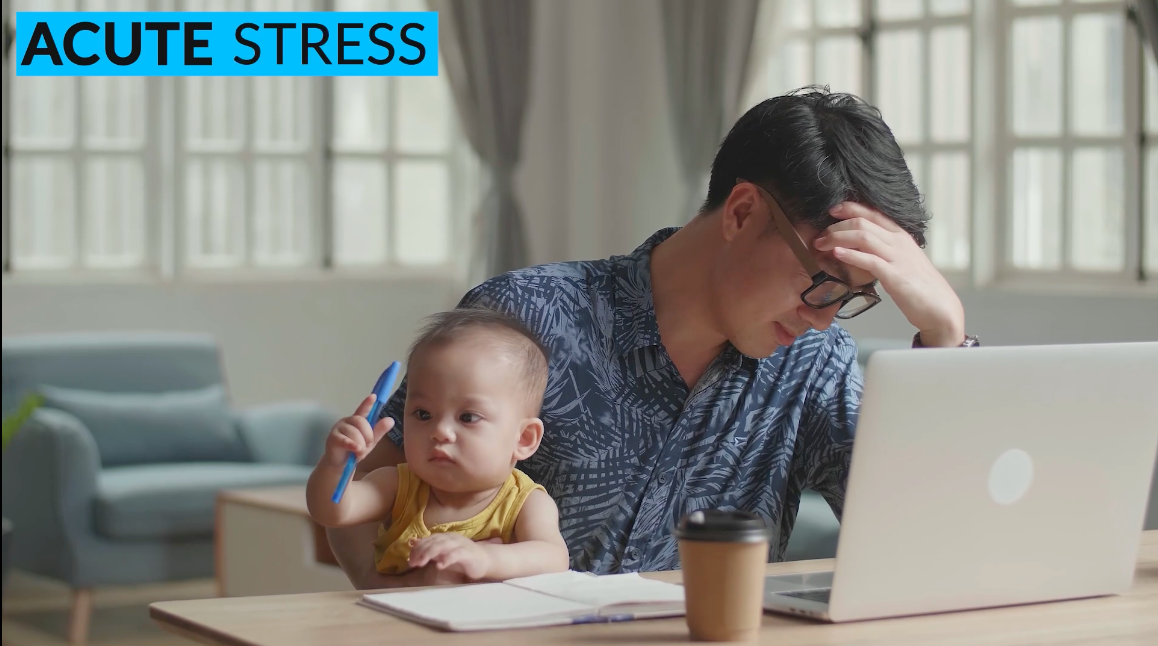
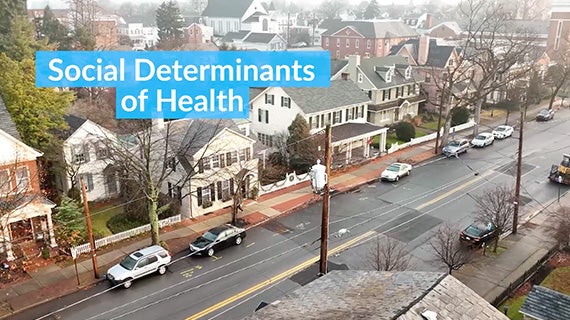
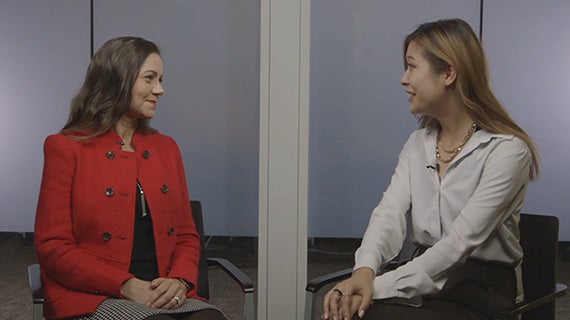
Explore stress physiology with Rice University faculty
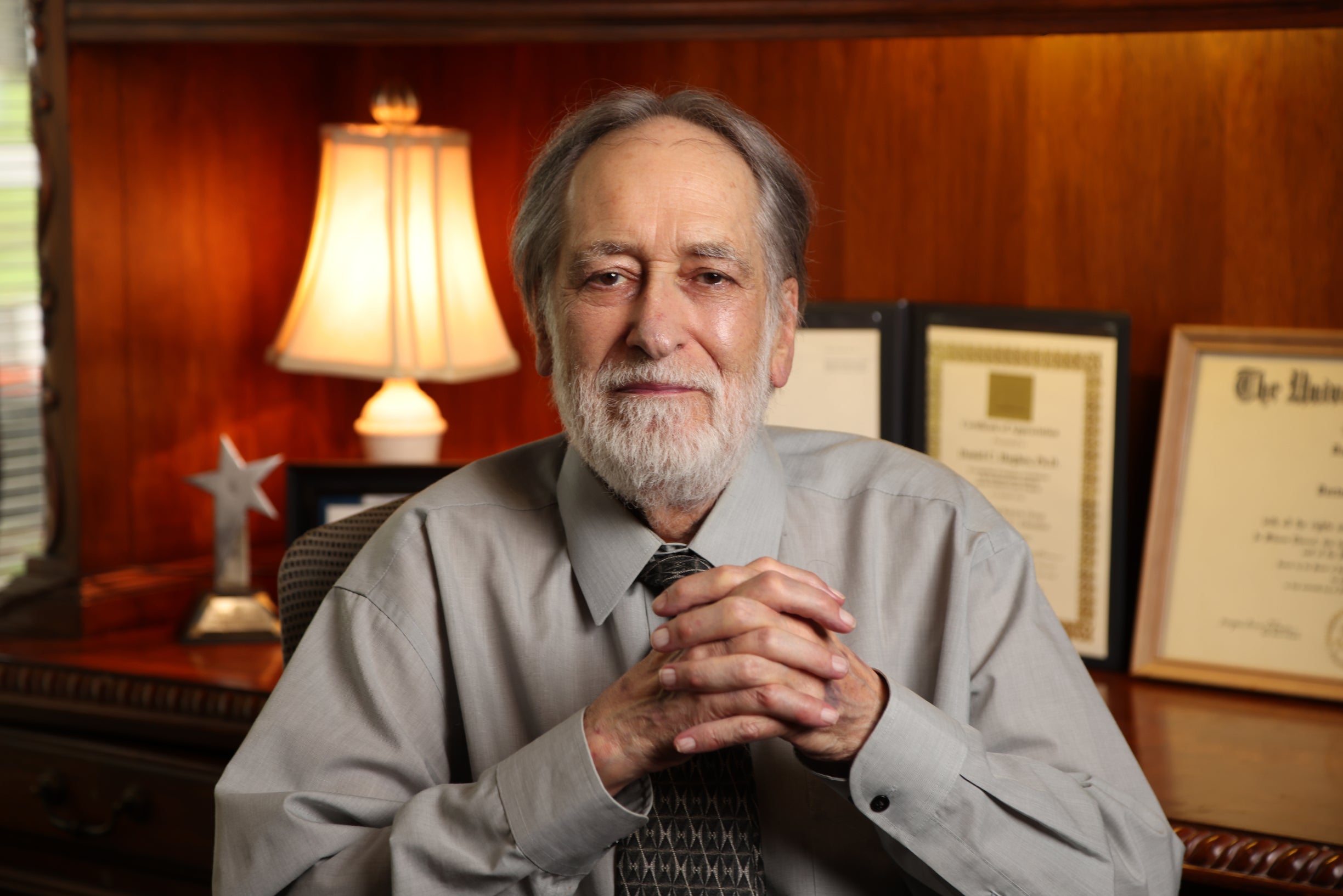
Rice University Faculty
Dr. Hughes is a PhD trained kinesiologist who specializes in sport and exercise psychology. He is also a Clinical Exercise Specialist and a Certified Clinical Exercise Physiologist through the American College of Sports Medicine (ACSM). He has served as an assistant professor and researcher at the Institute for Health Promotion Research at UT Health San Antonio and as an adjunct assistant professor in the Department of Kinesiology at Rice University, where he has taught HEAL 350: Understanding Cancer. Dr. Hughes’s research focuses on developing exercise and behavior-change programs to support cancer prevention, control, and survivorship. His work pays particular attention to improving outcomes for communities that experience cancer-related health disparities. Supported by the National Cancer Institute, his research has included collaborations with UT MD Anderson Cancer Center, UT Health San Antonio, and Rice University.
His work has explored integrative holistic, mind-body approaches to health, including the relationship between stress and cancer and the role exercise can play in improving quality of life during and after cancer treatment. He has contributed to national and international initiatives, including the Movember GAP4 global program for metastatic prostate cancer survivors. In this course, Dr. Hughes brings both research expertise and a commitment to helping learners better understand cancer prevention, survivorship, and whole-person well-being.
Continue exploring the Understanding Cancer Specialization

Biology, Risk Factors, and Survivorship (Course 1)
Learn More
Anti-Cancer Living (Course 3)
Learn MoreHave questions about the Understanding Cancer: How Stress Affects the Body course?
CONTACT
Any questions? Please e-mail riceonline@rice.edu
CONTACT
Any questions? Please e-mail riceonline@rice.edu
Body